A General Contracting Company You Can Trust.
A General Contracting Company You Can Trust.
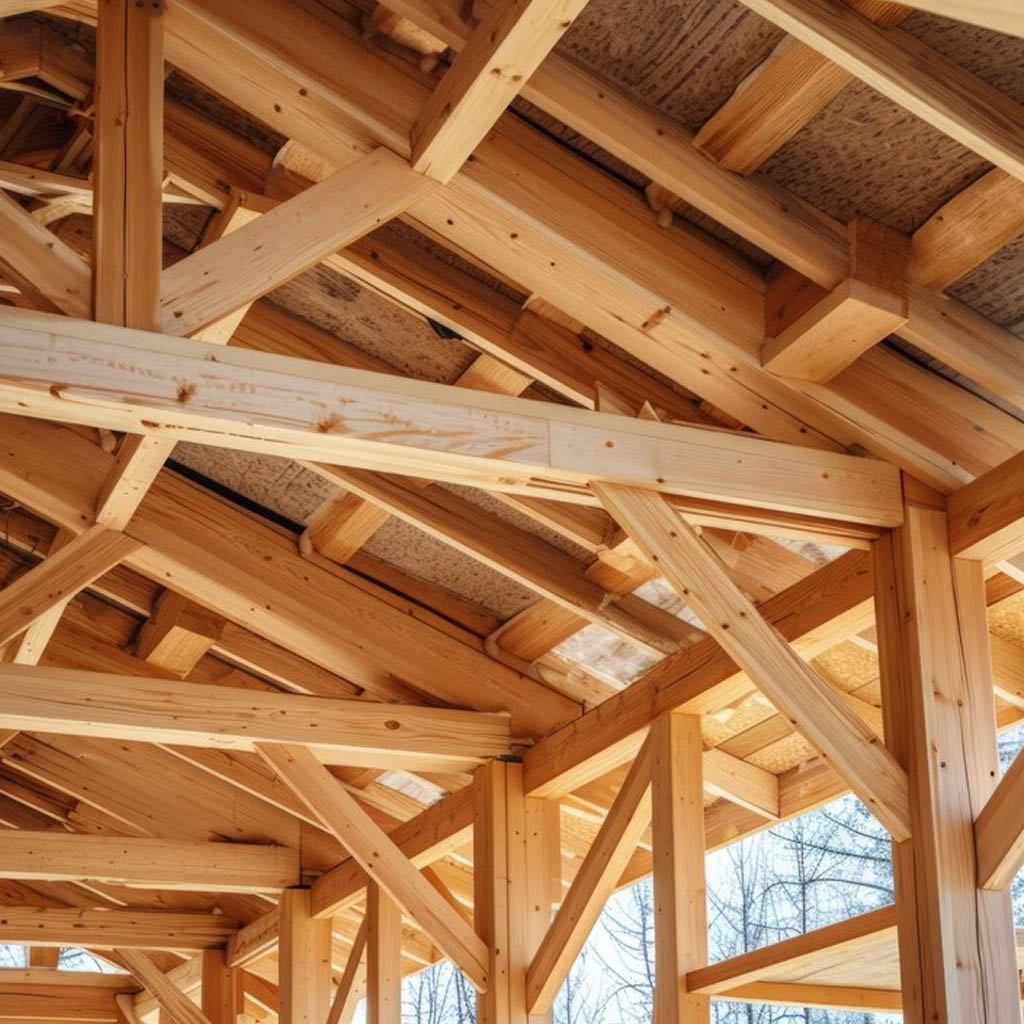
Timber frame construction is a specific building method, not just a style. It uses large-dimension structural members — posts, beams, and rafters at a scale that carries load across wide spans without interior walls breaking up the space. People who ask for a timber frame structure usually have a clear idea of what they want: open interior volume, visible structure, and a building built to last generations.
We build timber frame structures for property owners across the Kawarthas, Peterborough, Durham Region, and Simcoe County. These projects have a longer planning phase than most residential construction and require upfront conversations about structure, site, and engineering before any timber is ordered.
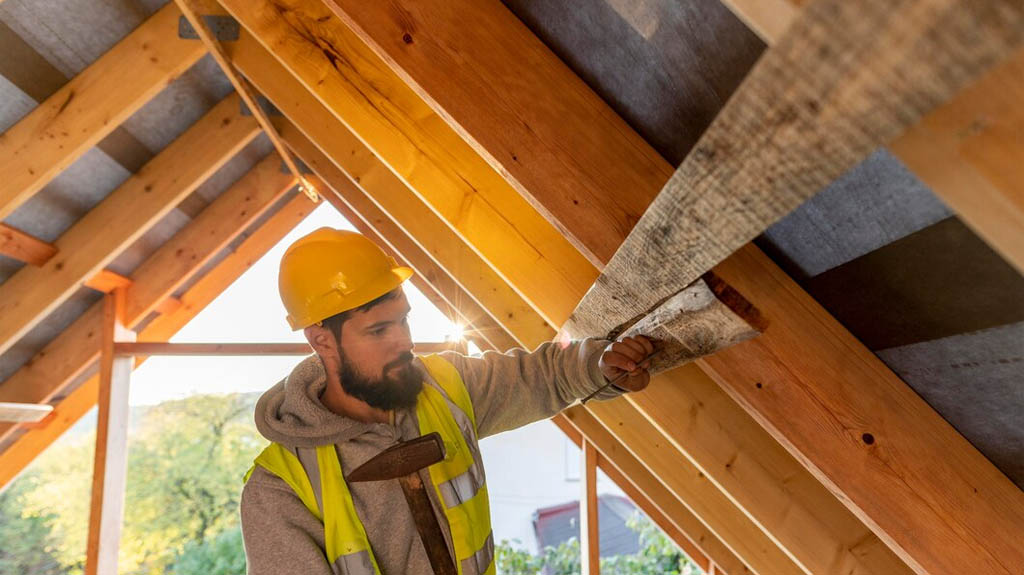
Clear-span interior space is the primary structural reason. A barn storing large equipment, a pavilion seating guests without columns interrupting the space, a building that needs to accommodate varied uses over decades — these are applications where heavy timber framing delivers what other methods can’t.
Longevity is a genuine consideration. Large-dimension timber members age differently than light-frame construction. A properly built timber frame structure is built to last generations — that matters when you’re building on land you plan to hold for a long time.
Some projects choose timber frame because the visible structure — the post and beam grid, the exposed rafters, the joinery — creates an interior character that’s distinct. For barns, pavilions, and specialty structures, that character is often part of what the building is for.
A barn built with heavy timber framing — post and beam bents, clear-span structural bays, and the traditional proportions of Ontario barn construction. Built for equipment storage, hay, livestock, or multi-use agricultural space. The structural method delivers the wide, unobstructed bays that agricultural use demands.
Open or semi-open timber frame structures built as gathering spaces — a covered area for events, a lakefront shelter, a dedicated outdoor living structure. Typically framed on concrete piers with an exposed timber roof, open on the sides or with partial infill walls. The timber frame approach gives these buildings presence and permanence.
Equipment shelters, covered loading areas, drive-through implement sheds, and other rural structures where span, height, and durability are the primary requirements. Sometimes the application where timber frame makes the most practical structural sense — the spans required are easier to achieve with heavy timber than with any alternative.
Buildings that combine heavy timber elements with conventional framing — a timber frame entrance, exposed beam ceiling, or structural timber posts within a conventionally framed shell. These allow the visual and structural qualities of timber frame in specific areas without the cost of a full timber frame build throughout.
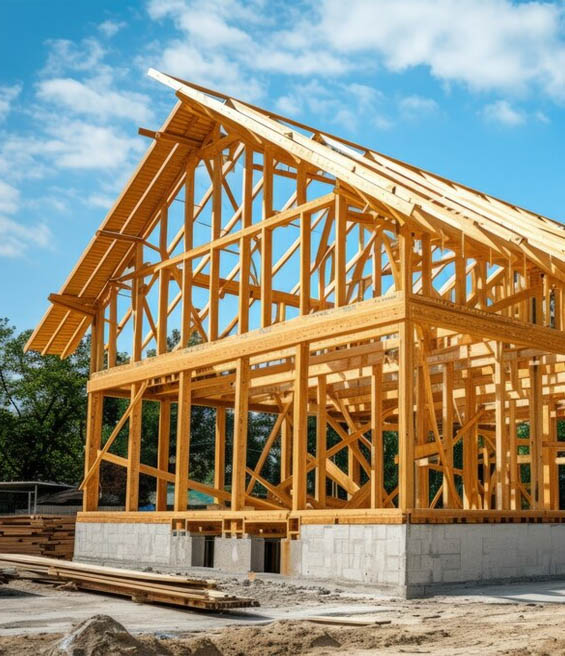
Equipment access is a significant planning consideration. Heavy timber members require lifting equipment for the raising sequence. Whether the site can accommodate a crane or telehandler affects both cost and logistics. Properties with limited road access, soft ground, or confined spaces between structures require early planning.
For agricultural buildings on rural lots, Ontario’s Building Code has provisions that differ from residential construction. Farm buildings may fall under Part 11 of the OBC, affecting permit requirements, design standards, and inspection processes. We’re familiar with those distinctions and help you navigate them correctly from the start.
Foundation requirements vary significantly. A pavilion on piers has different footing requirements than a barn on a full concrete grade beam. Roof snow loads on large clear-span structures are significant, and the foundation has to be engineered for those loads. This isn’t a detail to work out after the frame is ordered.
Timber frame buildings may be classified as agricultural structures or residential accessory buildings depending on use and location. The classification affects the approval process and applicable code provisions.
Timber frame is the right method when the project requires clear-span interior space, when structural permanence is a priority, or when the character of the finished building is part of what makes it worth building. For barns, pavilions, and specialty rural structures, it often makes both structural and practical sense.
It’s not the right method when the schedule is tight, the budget is constrained, or the project doesn’t actually require what timber frame delivers. We’ll tell you honestly if a different approach would serve your project better.
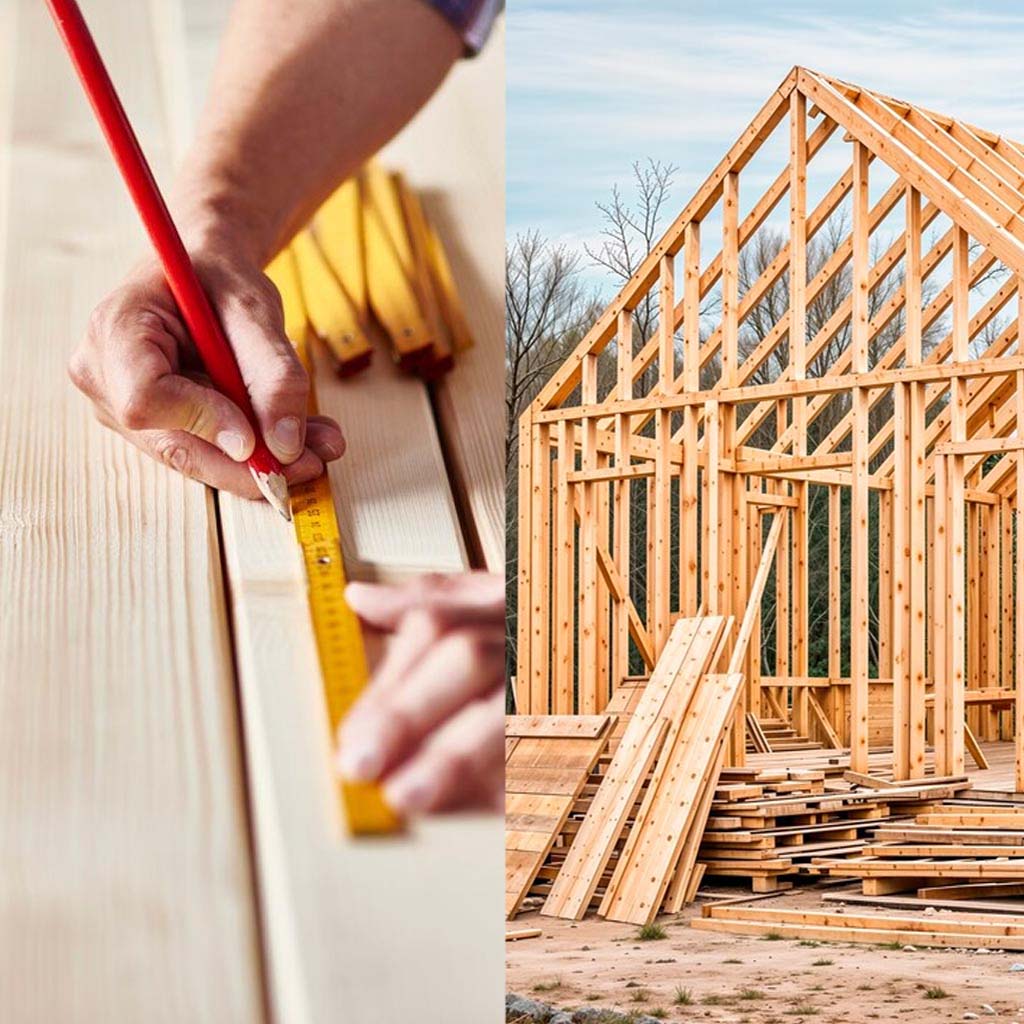
Timber framing uses large-dimension structural lumber — 6×6, 8×8, 6×10, 8×12, and larger depending on the spans and loads. Unlike stick-frame construction, where dozens of smaller members share load through a distributed system, a timber frame concentrates load in a small number of large members connected at engineered joinery points.
The bents — transverse frames of posts, beams, and connecting members — are assembled on the ground and raised as complete units. The raising sequence requires careful planning, appropriate rigging, and lifting equipment sized for the weight of the members.
Joinery can be traditional — mortise and tenon connections with wooden pegs — or modern, using structural steel connectors at high-load points. Most contemporary timber frame builds use a combination. We discuss the approach based on the specific project, its use, and the loads involved.
After the frame is raised, the infill — insulated panels, conventional wall framing between posts, or open cladding — is built around it. For an agricultural barn that’s typically simple cladding; for a finished pavilion or enclosed rural building, it involves complete wall and roof assemblies.
Access doors in barns and agricultural buildings need to be sized for the future, not just today. Equipment widths change over time, and a door that fits today’s largest machine may be too small for something purchased five years from now. Oversizing the opening at build stage is almost always the right call.
Ventilation in agricultural timber frame buildings is not optional. Hay storage requires airflow to prevent heat buildup and moisture accumulation. Livestock buildings need fresh air exchange built into the design. These requirements affect the roof structure — ridge venting, cupolas, or mechanical ventilation — and need to be in the plan before framing starts.
Lighting in a large timber frame structure needs to account for ceiling height. Fixtures hung from purlins at 20 feet don’t illuminate the floor the way lower-hung fixtures do. Lighting layout and mounting heights need to be part of the electrical planning before rough-in.
Timber frame projects involve more coordination than typical residential work — structural engineering review, timber procurement with real lead times, sequencing the raising with proper lifting equipment. We manage all of that. You’re not tracking down engineers and timber suppliers separately while also trying to manage a build timeline.
We’re honest about cost and timeline. Timber frame construction is not the least expensive or the fastest option. If you’re considering it because the project genuinely calls for it, we’ll work through what that means realistically. If it doesn’t make sense for your project, we’ll say so.
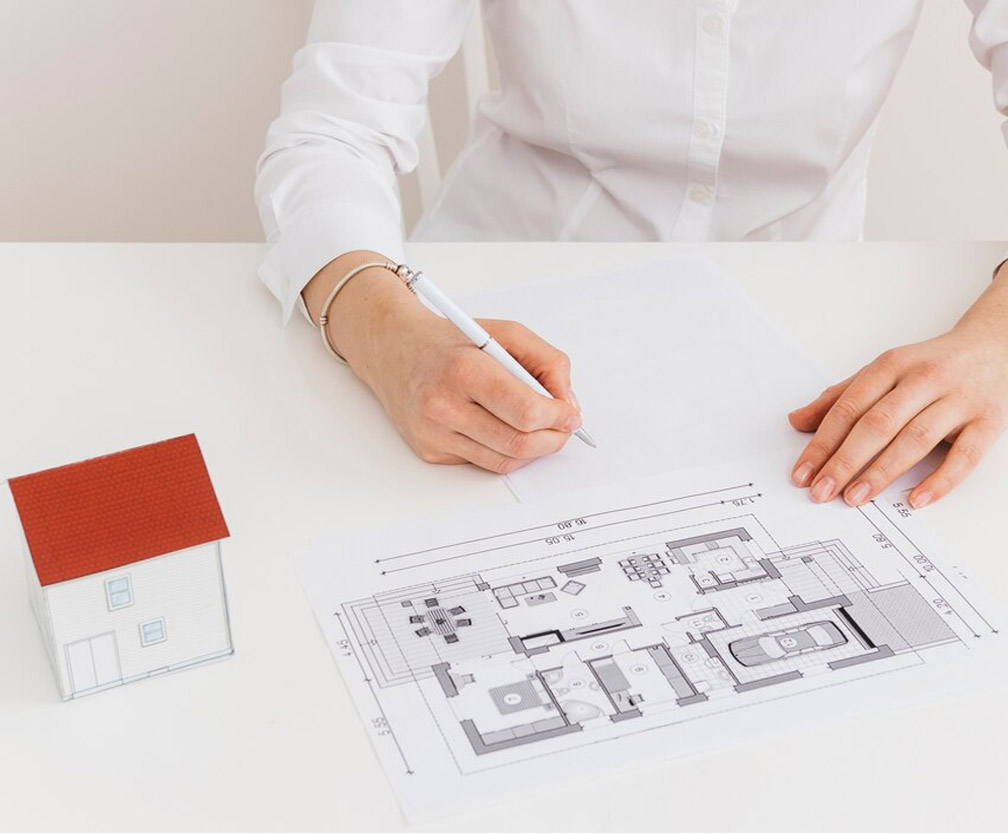
The planning phase is more extensive than for a typical residential build. Structural member sizing requires span calculations. Joinery details need to be resolved before timber is ordered. Foundation engineering is specific to the loads involved. Procurement takes time.
If you’re thinking about a timber frame structure, starting the conversation early is important. Compressing the planning phase leads to problems in the field that are more expensive and more disruptive than on lighter construction. Get in touch before your build window opens.
Timber frame projects take longer than conventional construction, primarily because of the planning and procurement phases. Structural design, timber ordering, and permit review all happen before framing begins. From initial planning to a finished structure, most timber frame builds are a six-to-twelve month process or longer, depending on scope.
For most timber frame structures, yes — especially those with significant spans, agricultural use, or structures that need to meet the Ontario Building Code for occupancy. Engineering review covers member sizing, connection design, and foundation requirements based on the actual loads involved. It’s part of the planning process, not an optional add-on.
The terms are often used interchangeably, but there’s a distinction in how the members are connected. Traditional timber frame uses mortise and tenon joinery with wooden pegs. Post-and-beam construction typically uses metal connectors. Both use large-dimension structural members and produce similar interior spaces. For agricultural and rural structures, the difference is often more semantic than structural.
If you’re planning a timber frame barn, pavilion, or specialty structure, the first step is a conversation about what you’re building and what your site looks like. These projects take real upfront work to plan properly, and that planning starts with understanding exactly what you’re trying to build.
Reach us by phone or email. We work with property owners across the Kawarthas, Peterborough, Durham Region, and Simcoe County, and we’re glad to have an honest conversation about what a timber frame build involves for your project.
Our unique skills and experience ensure top quality results.
N.S. Custom Contracting Inc. — Your satisfaction is our priority