
Stick-Frame vs Steel Construction determines whether your project delivers flexibility or long-term performance, without surprises on move-in day. Choose stick-frame when you need design flexibility, easier on-site changes, and familiarity for most residential builds; choose steel when you need faster assembly, long-term durability, and clearer advantages for large-span, industrial, or commercial uses.
This article breaks down how project type, future changes, construction timeline, and planning demands point you toward one method or the other. Expect plain-language explanations of how each system works, what to watch for during planning, and how to match the method to residential, agricultural, or commercial needs.
Why Construction Method Depends on Project Type
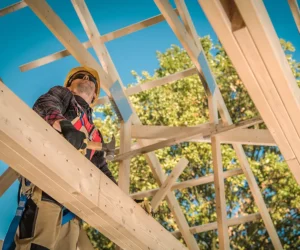
Stick-frame construction uses individual pieces of lumber—usually 2x4s or 2x6s—to form the skeleton of walls, floors, and roofs. You or your builder assemble these “sticks” on-site to create the building’s structural frame.
This method is familiar in residential work because materials are widely available and many contractors know the techniques. It lets you change layouts or make on-site adjustments without needing specialized equipment.
You get framing members spaced at regular intervals (commonly 16″ or 24″ on center) that support sheathing, insulation, and finishes. That regular pattern makes it easier to run wiring, plumbing, and HVAC through the structure.
Benefits you’ll notice include lower upfront material cost compared with steel, straightforward repair methods, and flexibility for custom designs. Downsides to plan for include vulnerability to moisture and pests if not detailed properly, and potential dimensional changes as wood dries.
Quick comparison list:
- Materials: lumber, nails, plates.
- Typical uses: houses, small commercial buildings.
- Strengths: affordability, ease of modification, broad contractor base.
- Weaknesses: susceptibility to rot and termites, fire considerations, variability in lumber quality.
- If you want a building approach that balances cost, adaptability, and a deep pool of skilled labor, stick-frame often makes sense.
Plain-Language Explanation of Stick-Frame Construction
Stick-frame construction is what most people picture when they think of a typical house. It uses individual pieces of lumber to form walls, floors, and roofs. The structure is built on site, piece by piece.
This method is common because the materials are easy to find, most trades are familiar with it, and changes can be made during construction without too much trouble. If a window needs to move or a wall needs to shift, the framing can usually be adjusted without ordering new parts.
Stick framing also works well with standard insulation and traditional finishes. It’s a straightforward system that fits many residential and small commercial projects.
Plain-Language Explanation of Steel Construction
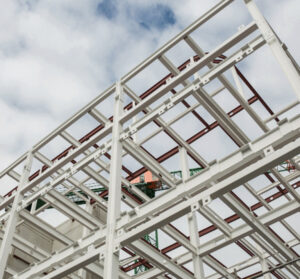
Steel construction uses prefabricated steel components—columns, beams, and panels—that you assemble on site. These pieces come from a factory with precise measurements, so erection on your lot tends to be faster than building with individual lumber pieces.
You get strength and uniformity. Steel resists twisting, warping, and insect damage that can affect wood, so your frame stays true to its design over time. That makes steel a common choice for large open spaces like warehouses, commercial buildings, and some modern homes.
Connections rely on bolts, welds, or clips rather than nails. That gives you predictable load paths and consistent structural performance. It also simplifies quality control because inspections focus on welds and fasteners instead of hundreds of individual boards.
Steel frames pair well with different exterior materials—metal panels, brick veneer, or insulated panels—so you can match aesthetics and thermal needs. Keep in mind thermal bridging and corrosion: you should plan for insulation strategies and protective coatings to maintain energy performance and durability.
Quick-reference list of pros and considerations:
Pros: high strength-to-weight ratio, fast assembly, insect and fire resistance, consistent quality.
Considerations: requires rust protection, can conduct heat and cold (thermal bridging), and needs contractors familiar with steel techniques.
If you want repeatable accuracy, long spans, and fewer on-site variables, steel construction often makes practical sense.
Design Flexibility and Future Changes
You can adapt stick-frame construction easily during initial design; framing members and wall layouts follow familiar rules. Modifying room sizes or adding partitions often requires only interior work, which keeps short-term renovation costs low.
Steel construction gives you larger clear spans and slimmer structural members, so you get more open-plan flexibility from the start. That makes steel a strong choice when you expect large, column-free interiors or want to reconfigure space without major load changes.
For future vertical expansion, steel typically outperforms wood because of its higher strength-to-weight ratio. Adding a mezzanine or extra floor often needs fewer foundation upgrades with steel, but you must verify connections and local code requirements first.
Consider these practical trade-offs:
- Stick-frame: easier for small incremental changes, compatible with many finishes, but load-bearing walls can limit reconfiguration.
Steel: enables wider spans and modular alterations, yet changes to penetrations and insulation systems may require specialist work. - If you expect frequent or significant future changes, plan service routes, mechanical chases, and non-load-bearing partitions from the outset. That reduces demolition, preserves structural integrity, and keeps retrofit costs predictable.
- Think about long-term adaptability alongside maintenance and insulation upgrades. Your choice should balance immediate flexibility with the practical costs and expertise required for future modifications.
Planning, Coordination, and Timeline Realities
You control schedule risk by choosing the right system for your project scale and site constraints. Stick-frame work often starts quickly because materials are widely available and crews are familiar with the process. However, on-site sequencing, weather, and labor availability can stretch timelines unpredictably.
Steel construction shifts more work off-site, which compresses on-site erection time and reduces weather exposure. You must build more upfront coordination into design, fabrication, and delivery windows. Lead times for shop drawings and roll-forming or prefabrication can be several weeks to months depending on complexity.
Use a simple checklist to track critical path items:
- Permits and inspections tied to on-site milestones.
- Long-lead fabrication and delivery dates.
- Site readiness: foundations, access, and temporary services.
You should plan for different risk profiles. Stick-frame schedules are sensitive to workforce shortages and sequencing delays. Steel schedules are sensitive to fabrication capacity, transportation limits, and precision of as-built conditions.
Communicate schedules and tolerances clearly with your contractor and supplier. Regular coordination meetings and a shared, updated timeline reduce surprises. Build contingency time into procurement and erection phases rather than relying solely on on-site acceleration.
High-Level Cost Considerations
When you compare stick-frame and steel construction, think about where costs originate rather than exact prices. Materials, labor, site work, and the complexity of design each shape your budget in different ways.
Material predictability matters. Steel often has stable, repeatable component costs and fewer on-site waste issues. Wood can vary with market swings and typically generates more on-site cutting and waste, which affects your procurement and contingency planning.
Labor influences your schedule and budget directly. Stick-frame projects rely on carpentry skills that may be widely available in your region. Steel work can shorten erection time but may require specialized crews and coordination for prefabricated elements.
Consider lifecycle and maintenance exposures. Your initial outlay is only part of the picture; durability, routine upkeep, and retrofit costs feed into long-term expense planning. Durability differences can shift spending from repair budgets to future renovation or replacement.
Site and foundation requirements change cost drivers. Soil conditions, snow loads, and local code demands alter foundation scope for both systems. Your choice of envelope, insulation strategy, and finishes also affects construction sequencing and associated trade costs.
Risk and contingency planning reduce surprises. Supply-chain volatility, weather delays, and permitting timelines can all add unplanned expense. You should build allowances that reflect the specific risks tied to the construction method you select.
Budget focus areas: procurement, labor sourcing, foundation complexity, long-term maintenance, and risk allowances.
Matching Method to Residential, Agricultural, and Commercial Use
For residential projects, stick-frame construction usually fits most needs. You’ll get flexibility for floor plans, easier integration of insulation and utilities, and familiar local contractor expertise. Steel framing can work for modern, open-plan homes or where you want noncombustible framing, but expect higher thermal bridging and different finishing details.
In agricultural settings, durability and large clear spans often matter more than fine interior finishes. Steel or post-frame solutions excel for wide-span barns, equipment storage, and livestock housing because they allow open interiors and resist pests and rot. Stick-frame or timber post options still make sense for small outbuildings or insulated farm offices where cost and straightforward construction matter.
For commercial buildings, your priorities shift toward longevity, fire resistance, and large uninterrupted spaces. Steel framing supports taller buildings, long spans, and quick erection, making it common for warehouses, retail shells, and multi-story offices. Stick-frame construction remains viable for low-rise commercial uses like small offices or tenant fit-outs where cost and speed are important.
Use this quick checklist to choose:
- If you need flexible interiors and economy: choose stick-frame.
- If you need large spans, fire resistance, or industrial durability: choose steel.
- Consider hybrid approaches when you want the cost benefits of wood with steel where spans or resistance require it.