A General Contracting Company You Can Trust.
A General Contracting Company You Can Trust.
Deciding to add a detached garage raises more questions than most people expect. Where does it sit relative to the house? How does it connect to the driveway? What size makes sense once you start thinking through vehicles, storage, and whether you want a workbench? These aren’t questions you should have to figure out alone before picking up the phone.
We work with homeowners across the Kawarthas, Peterborough, Durham Region, and Simcoe County on garage construction projects of all sizes. The first conversation is just that — a conversation. We ask about your property, what you’re storing, how you use the space today, and what you want it to do once the building is up.
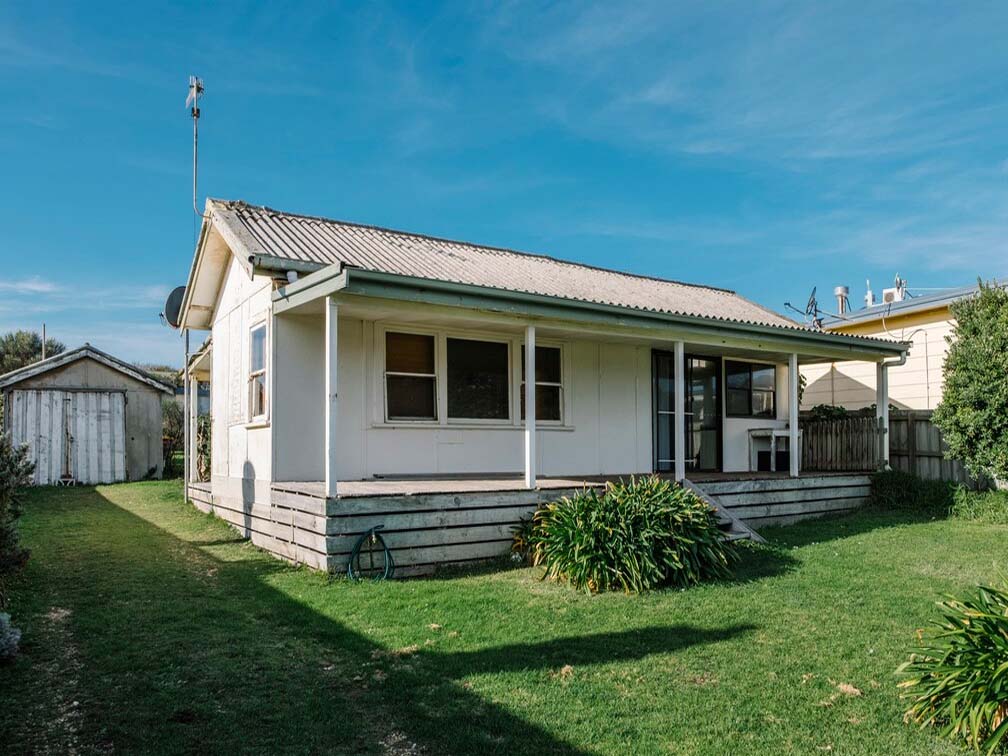
Sometimes the property just doesn’t have one. You buy a house without a garage and eventually the cars, the lawnmower, the bikes, and the seasonal gear fill the yard with no real place to go. A detached garage is the practical fix.
For other homeowners, the existing garage is outgrown — built for one car, now housing two, or converted into storage with no room left for anything with wheels. A second detached structure solves that without demolishing what’s already there.
Some people are less interested in vehicle storage and more interested in workspace — a place to do mechanical work, build things, or keep equipment out of the house. The garage format adapts well to all of those uses.
One bay, one vehicle — straightforward but worth building properly. A single-car garage on a tighter lot often has room for wall shelving and rafter-space storage. Sizing up by even two feet on the width makes a noticeable difference in usability.
The most common request. Two bays side by side, with a workbench on the back wall or along one side. Parking for two vehicles plus usable wall space for tools and seasonal storage. If one vehicle is a full-size truck, one wider bay is worth considering.
One building with a defined parking zone and a separate work area — partitioned or laid out with the right door placements and electrical rough-in. A practical option for homeowners who want workshop space without building two separate structures.
An upper storage level accessed by a fixed stair or pull-down ladder. Useful when you need significant storage capacity but can't expand the footprint. Lofts work well for seasonal items and anything accessed a few times a year rather than daily.
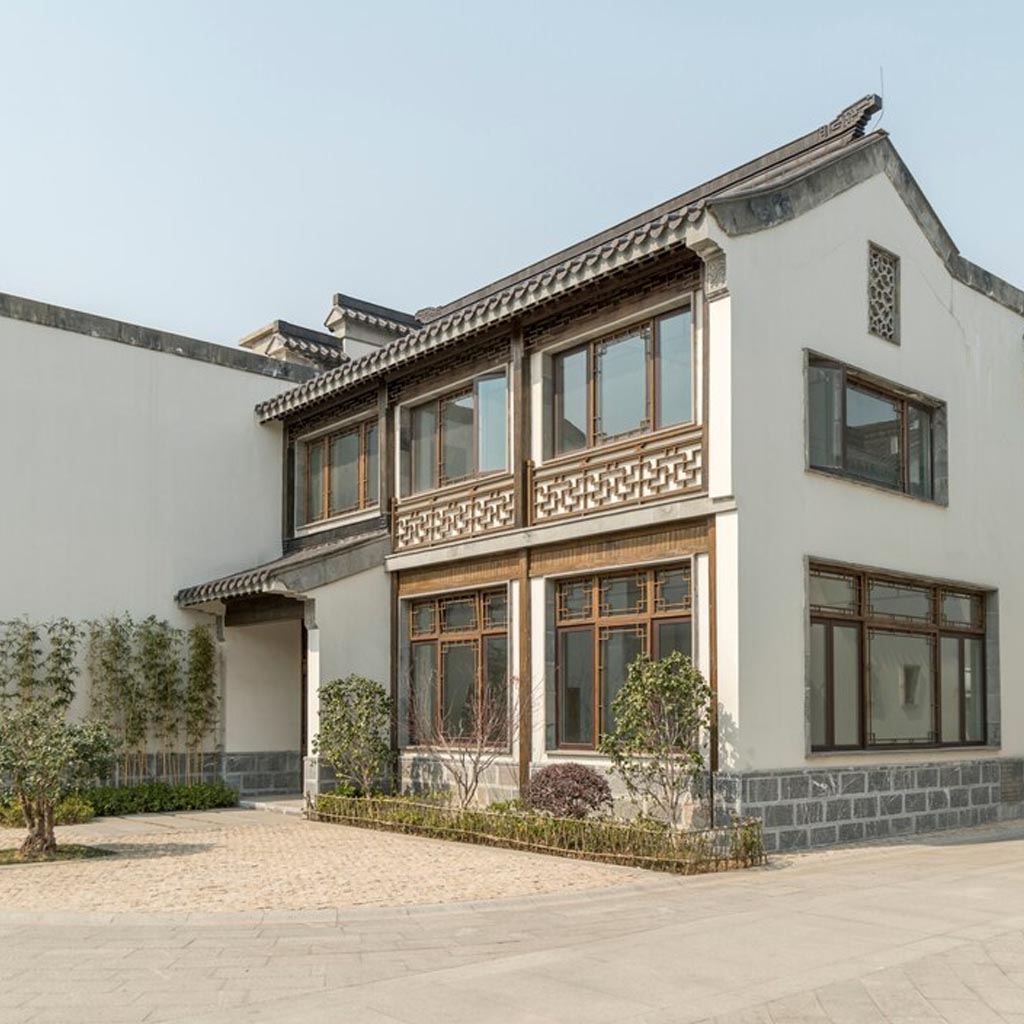
Setbacks come first. Ontario municipalities set minimum distances between detached structures and property lines, and those vary by location. A garage that looks like it fits in the corner of your yard might not comply with local rules. We check those constraints early.
Driveway approach matters as much as building placement. A garage requiring a sharp angle off the road or a tight squeeze around an existing feature gets frustrating quickly. We look at the full approach path when discussing placement.
Site grading affects where the slab can go and what site prep is required. A low spot collects water; a slope requires cutting in or stepping the foundation. Both are manageable, but they factor into cost and sequence.
Detached garages are classified as residential accessory buildings under Ontario’s Building Code. That affects permit requirements, setback rules, and what the building can legally contain. These details vary by municipality and are worth confirming before the design is set.
If you have vehicles outside year-round, equipment scattered across the yard, or a garage that’s been converted into storage you can’t reclaim, a detached garage is usually a straightforward answer. It solves the problem permanently.
It gets more complicated on smaller urban or suburban lots with tight setbacks, limited driveway access, or existing structures that constrain placement. In those cases, the question isn’t whether to build — it’s where and what size is realistic. That’s what the initial conversation figures out.
We use stick-frame construction — 2×4 and 2×6 wood framing, conventional sheathing, and standard carpentry methods common across Ontario residential construction. The method is proven, adaptable, and familiar to every sub-trade on site.
Stick-frame allows for layout changes during the build. If a window shifts or a side door ends up in a better location, those adjustments happen without major consequences. Once sheathing and insulation are in, changes become more involved — which is why we work through the layout carefully before framing starts.
Foundation options depend on the site and intended use. An insulated slab is standard for a heated garage. An uninsulated pad works for basic vehicle storage. On well-drained, level ground, a compacted gravel base with perimeter blocking is sometimes appropriate for smaller structures.

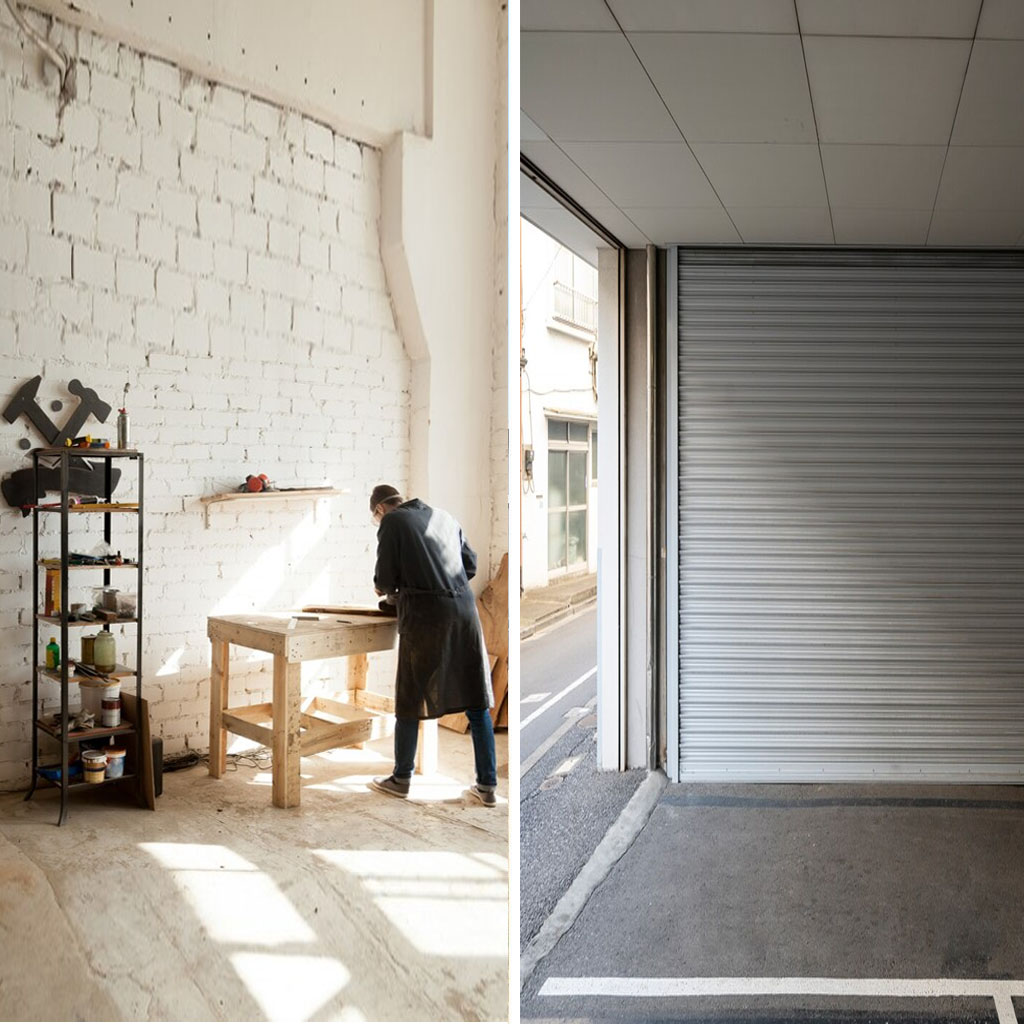
Overhead door width is the most commonly underestimated decision. A 9-foot door fits most passenger vehicles. A 10-foot door makes a meaningful difference with trucks, SUVs, or anything with tow mirrors. If you’re building one garage to last decades, door width is worth getting right.
Ceiling height determines what’s possible overhead. A standard 8-foot ceiling is fine for parking. If you want loft storage, a hoist, or clearance for taller equipment, 10 or 12 feet opens up significantly more options — and height is much easier to build in than add later.
Electrical planning happens at framing stage. Circuit count, outlet placement, 240V for a welder or compressor — all of that gets roughed in before the walls close. Planning it after means opening finished walls. We go through this before the electrician is scheduled.
Side entry doors, attic access hatches, insulation, and a utility sink or hose bib are all easier to include during construction than to retrofit. We flag these during planning so they’re not added at a premium later.
We show up on schedule and communicate when things change. If a delivery is delayed or weather holds up the concrete pour, you’ll hear about it before it becomes a surprise.
Garage builds typically involve at least an electrician. We coordinate that sub-trade as part of the project — rough-in at the right framing stage, inspection on time, no need to sync separate contractors. If there’s concrete work beyond our scope, we handle that coordination too.
We treat the job site like you’re living there — because you are. Tools get put away at the end of the day. The driveway stays usable. Deliveries get stacked out of the way.

Detached garages in Ontario require a building permit. The process involves submitting drawings and waiting for municipal review — anywhere from a few weeks to a couple of months depending on the municipality. Starting the permit application early means you’re not waiting on paperwork when you’re ready to build.
The layout decisions made at planning have the biggest impact on how useful the garage ends up being. Going a few feet wider, adding a sub-panel, or including insulation are things that look small on paper but affect the building every day. We walk through those with you before anything is submitted.
Yes — most detached garages require a building permit. Requirements depend on your municipality and the size of the structure. Garages almost always require one. We can help you understand what’s needed in your area early in the planning process.
Construction typically takes two to four weeks depending on size, foundation type, and sub-trades involved. Permit timelines vary by municipality. Factoring in permit approval, the full timeline from planning to a finished garage is often eight to twelve weeks or more.
Slightly bigger than you think you need. A 20×22 foot footprint is tight for two vehicles with any working room. A 24×24 or 24×26 feels noticeably more functional. If you’re adding a workshop zone, figure out what tools need to fit before finalizing dimensions. Square footage is much cheaper during planning than after construction.
If you’re planning detached garage construction, the first step is a conversation about your property and what you need the building to do. We’ll ask practical questions, look at what your lot can support, and talk through the options before any decisions get locked in.
Reach us by phone or email. We work with homeowners across the Kawarthas, Peterborough, Durham Region, and Simcoe County.
Our unique skills and experience ensure top quality results.
N.S. Custom Contracting Inc. — Your satisfaction is our priority