A General Contracting Company You Can Trust.
A General Contracting Company You Can Trust.
When there’s nowhere to put things, everything ends up somewhere temporary that becomes permanent. The garage fills with overflow. Equipment sits under a tarp. A properly built storage shed is the permanent answer to a problem that keeps getting worse.
We build custom storage shed buildings for homeowners across the Kawarthas, Peterborough, Durham Region, and Simcoe County. Not prefabricated sheds delivered on a flatbed — structures built on-site, sized for what you’re storing, and placed where they actually make sense on your property.
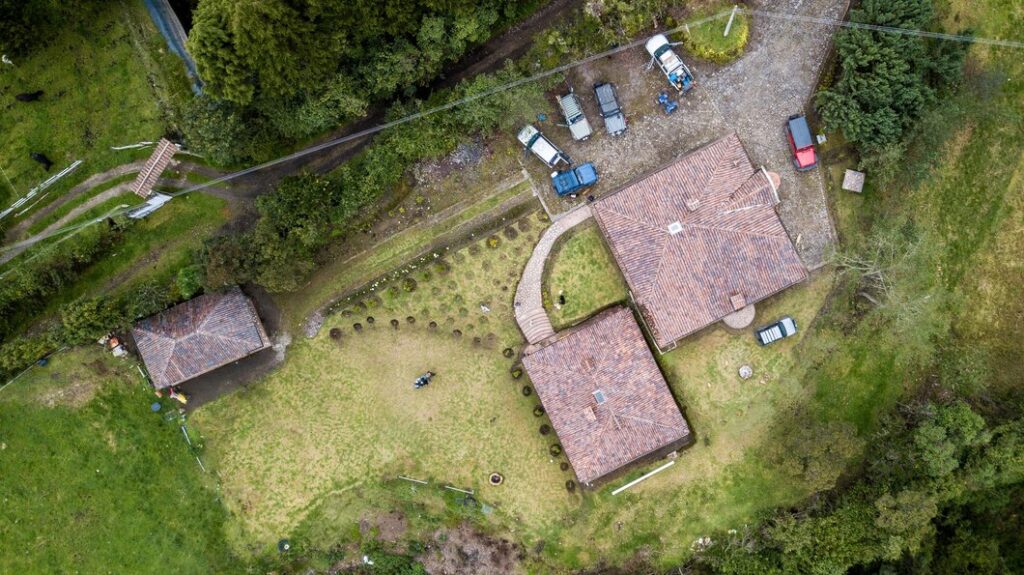
The garage gets taken over gradually — one season the lawnmower stays inside, then the bikes, then the extra shelving — and suddenly there’s no room for a vehicle. A storage building moves that overflow somewhere it belongs and gives the garage its function back.
On rural and acreage properties, the storage challenge is usually about scale. ATVs, snowmobiles, generators, trailers, and seasonal maintenance equipment don’t fit neatly into a standard garage. A dedicated building sized for what you own is the right solution.
Some homeowners just want to protect things that are sitting outside taking damage. A shed fixes that immediately, and the value of what’s protected often exceeds the cost of the building within a few years.
A building organized around garden tools, bags of soil and fertilizer, pots, and seasonal supplies. Interior height needs to accommodate long-handled tools upright. A potting bench along one wall with shelving above it makes the building genuinely functional.
A larger structure for ride-on mowers, walk-behind equipment, and maintenance tools. The door needs to be wide enough to get equipment in and out cleanly — 6 feet minimum for most mowers and tractors. The floor needs to support the load. These aren't details to figure out after the building is up.
A building with specific clearance requirements — wide access doors, solid concrete slab floor, enough interior height for roof racks and windshields. Ventilation matters here, particularly if equipment with fuel tanks is stored year-round.
A building with more than one zone — part tool storage, part equipment bay, sometimes with a small bench area for minor repairs. A simple interior partition or planned layout separation keeps different types of storage organized without needing separate buildings.

Even a modest shed has to meet setback requirements. Detached accessory buildings in Ontario generally need to sit a minimum distance from property lines, and those rules vary by municipality. A corner of the yard that looks perfect might not comply. Confirming setbacks early prevents problems.
Access has to match the intended use. A garden shed accessed on foot needs a path and good drainage around the door. An equipment shed needs a firm surface — gravel at minimum — that handles the weight of equipment moving in and out without turning soft in spring.
Grading and drainage around the building matter for longevity. A shed in a low spot will have chronic moisture problems — water wicking into the framing, ice under the slab, doors that stick as the structure shifts. Proper site prep takes care of all of that before the foundation goes in.
Storage shed buildings are residential accessory buildings, and the planning process follows the same framework as any other detached structure on a residential or rural property.
If you have things that need weather protection and nowhere for them to go, the case for a storage shed is clear. The question isn’t whether to build — it’s what size and type makes sense for the property and the budget.
The most common planning mistake is building too small. A shed that fills up on move-in day doesn’t solve the problem for long. We talk through what you’re storing now and what you’ll likely need in the next five to ten years before settling on dimensions.
We build storage sheds using conventional stick-frame construction — real wood framing, structural sheathing, and roofing that matches the property. A site-built shed is structurally stronger than most prefabricated alternatives, with better wall framing, better sheathing connections, and the ability to adapt the design to exactly what you’re storing.
Foundation choice depends on building size, site conditions, and intended use. Pressure-treated skid foundations work for smaller sheds on flat, well-drained ground. Concrete piers or a full slab are more appropriate for larger buildings or sites with frost movement concerns. For equipment sheds with heavy machinery, the floor needs to be engineered for the load — a proper slab, not a floating one that’ll crack when the first tractor rolls in.

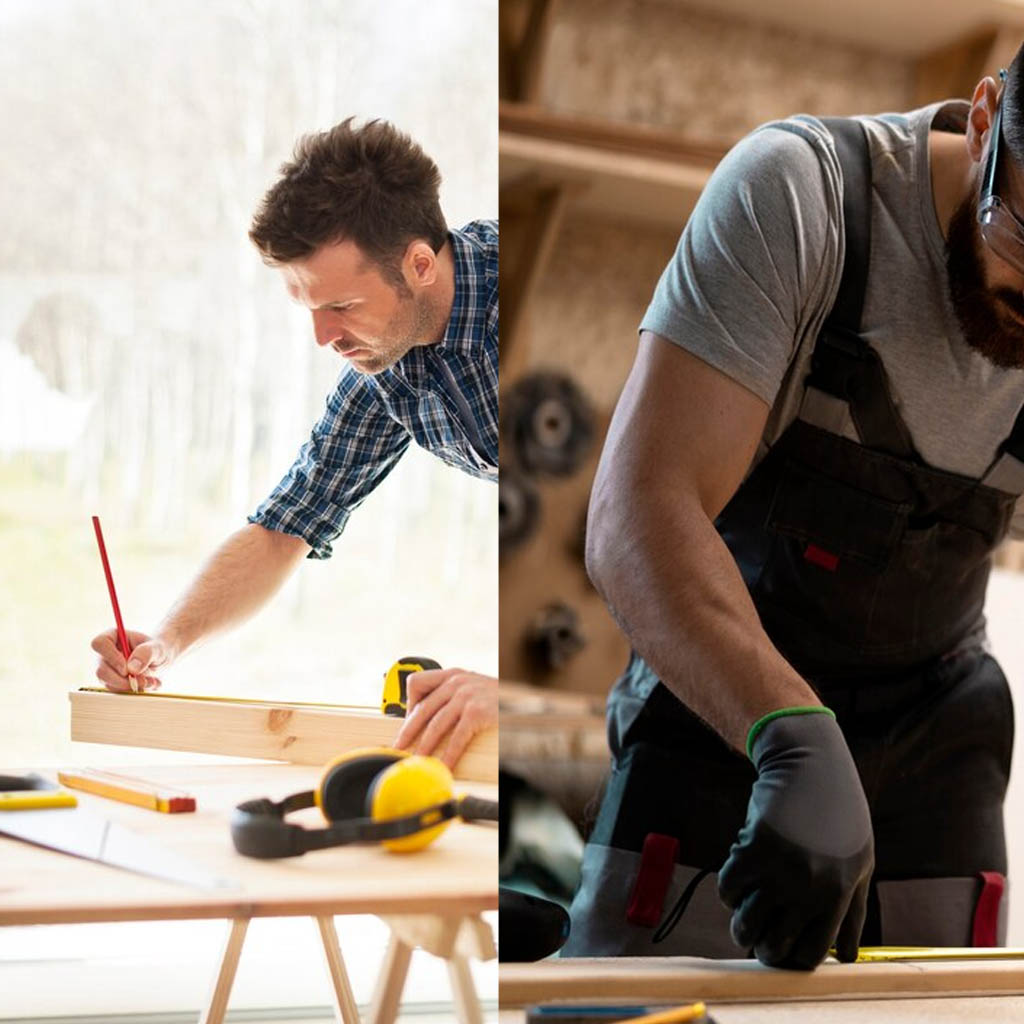
Door size is where most sheds fall short. A 36-inch single door is barely adequate for hand tools. Anything larger — a mower, an ATV, a generator on a cart — needs a 6-foot double door or an overhead door. Spec the door for the largest thing you’ll regularly move through it.
Shelving and wall organization rarely get enough thought at planning stage. A shed with no built-in storage becomes a pile quickly. A continuous perimeter shelf, a row of hooks near the entry, and a rack for long-handled tools cost almost nothing during construction and make the finished space significantly more useful.
Interior height is often underestimated. Standard 7-foot walls limit overhead storage. Going to 8 or 9 feet opens up the option of a loft platform, which can double effective storage capacity without increasing the footprint. If there’s any chance you’ll want that option, build for it now.
Electrical is optional but worth considering early. A single circuit with a couple of outlets and a light fixture is inexpensive to rough in during construction. Adding it after the walls are finished is a much more disruptive process.
Storage shed builds are usually less complex than larger structures, but the same principles apply. We show up when we say we will, we’re clear about the scope and timeline, and we communicate before issues become problems on your end.
If the project needs electrical work or a concrete contractor, we coordinate those trades. You’re not managing separate schedules or trying to figure out the right sequence yourself.

The sizing conversation is the most important one. A few extra feet of width or depth costs a fraction of the total build and tends to pay for itself immediately. We’d rather have that conversation now than build something you’re looking to expand in three years.
Ontario municipalities have permit thresholds for detached structures. Buildings below a certain size may not require a permit, but those above it do. Confirm where your planned building lands relative to that threshold in your area before the build starts.
It depends on the size. Most Ontario municipalities have a permit threshold for accessory structures — buildings below a certain square footage may not require a permit, but larger buildings typically do. The exact threshold varies by municipality. We can help you understand where your planned building lands.
A prefab shed is manufactured off-site and delivered in one piece or as panels. Quick and relatively inexpensive, but built to standard dimensions and can’t be adapted for specific site conditions or storage needs. A custom-built shed is framed on-site from real dimensional lumber, sized to exactly what you need, and structurally built to match the use.
Bigger than you think. A shed that’s full on move-in day doesn’t provide much long-term benefit. Think through not just what you’re storing now, but what you’re likely to add over the next five to ten years. Adding a few feet of width or depth during the build is inexpensive. Adding a whole new building later is not.
If you’re ready to add a storage building to your property, start with a conversation about what you’re storing and where the building makes sense. We’ll ask practical questions and help you get to a plan that actually solves the problem.
Phone or email — whichever works. We serve homeowners and property owners across the Kawarthas, Peterborough, Durham Region, and Simcoe County.