A General Contracting Company You Can Trust.
A General Contracting Company You Can Trust.
When a property runs out of sleeping space, the fixes are usually uncomfortable — the fold-out couch, the living room converted into a bedroom, everyone closer together than anyone wants. A bunkie or guest cabin solves that cleanly. It’s a separate building with its own space, and it keeps the main house comfortable when guests arrive.
We build bunkies and guest cabins for cottage owners and homeowners across the Kawarthas, Peterborough, Durham Region, and Simcoe County. Before we talk footprint or materials, we ask how many people need to sleep there, whether the building needs a bathroom, and whether it’s seasonal or needs to work through the winter.
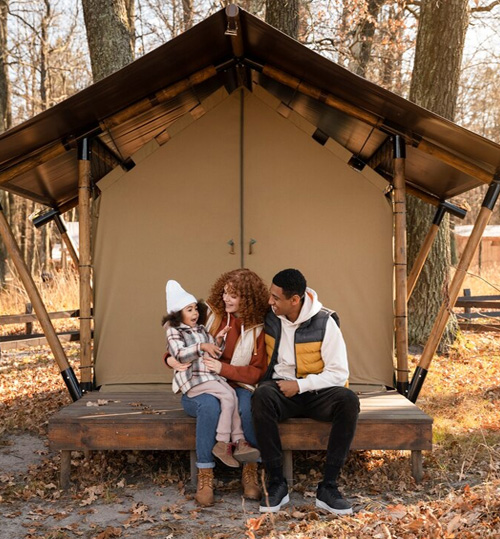
Cottage properties are where bunkies are most common. The main cottage fills up fast when families grow or visits become more frequent. A bunkie gives kids their own space, keeps couples comfortable, and takes pressure off the main building.
Residential properties are seeing more of these builds too — extended family situations, multi-generational living, or a homeowner who wants private guest space without permanently giving up a room in the house.
Some people build a guest cabin as a longer-horizon project — a bunkie now, finished more completely over time as the budget allows. Building the shell right from the start makes that finishing work straightforward later.
A simple, lightly insulated structure built for use May through October. Sleeping space, maybe a small deck, basic electrical for lighting and phone charging. The building doesn't need to manage a January cold snap, which keeps costs and complexity lower. Common where the use is clearly defined by the season.
A fully insulated structure with a heating system, proper vapour barrier, and mechanical connections for a bathroom or kitchenette. More involved than a seasonal build — closer to a small house than a camp cabin. But year-round cabins are flexible: guest space now, long-term rental or independent living unit later, depending on how the property's use changes.
A detached sleeping space on a residential lot. Municipal rules vary significantly — some municipalities allow small garden suites or accessory dwelling units, others restrict secondary structures to non-habitable use. We're familiar with those variations and can help you understand what your lot supports before the design goes far.
More than just beds — a comfortable sitting area, a small wet bar, a covered porch where people actually spend time. These work well on cottage properties where the bunkie becomes a destination rather than just overflow sleeping. Layout planning matters more here because you're fitting multiple functions into a small building.
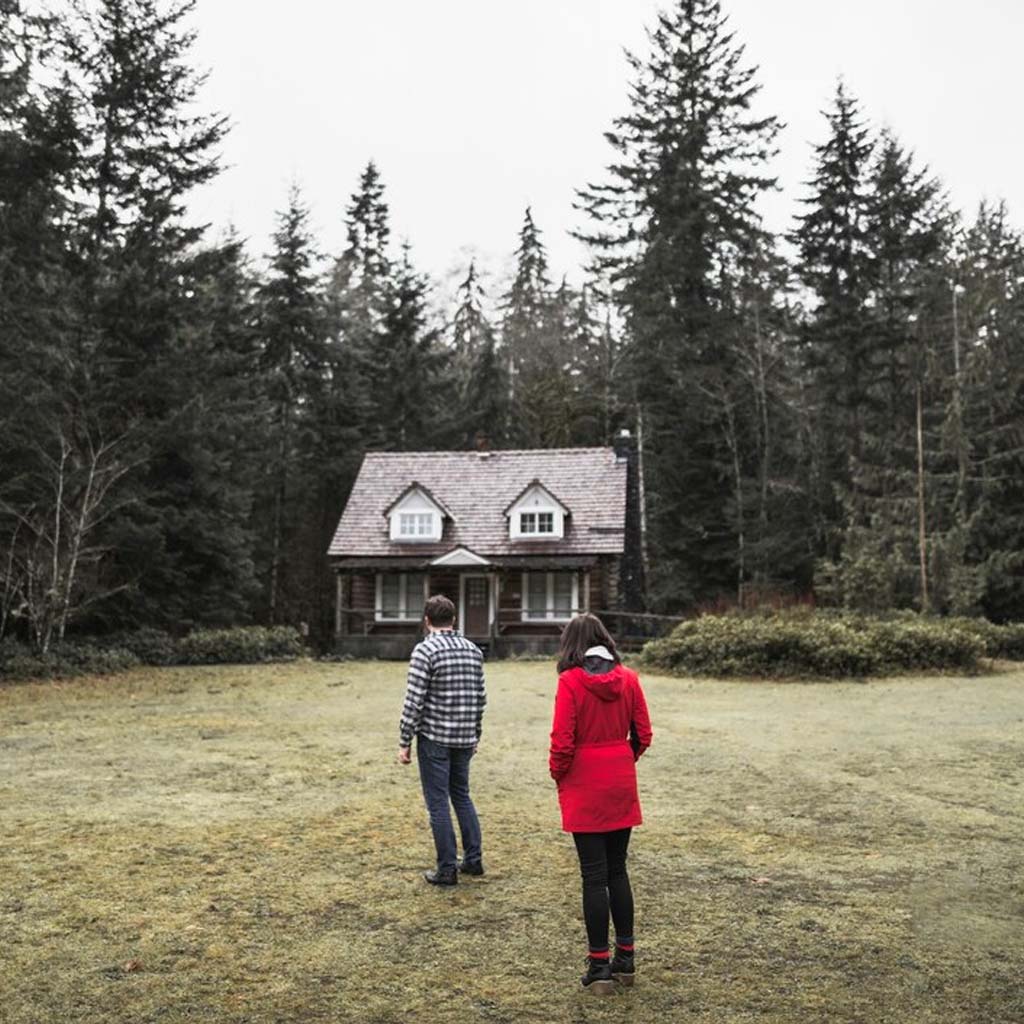
On cottage properties near water, shoreline setbacks are a significant constraint. Provincial rules and local bylaws set minimum distances from the high-water mark, and those distances can be larger than people expect. Tree clearing and land disturbance rules may also apply depending on the property.
On residential lots, side and rear yard setbacks for accessory buildings, lot coverage limits, and restrictions on habitable secondary structures all affect placement. These need to be confirmed before the location is decided.
Site access matters on cottage lots, especially those with slope, rock outcrops, or limited clearance between trees. Getting materials and equipment to the building site requires planning. We look at the access route as part of the early site discussion.
Utilities are a key planning decision. A seasonal cabin may need only electrical. A year-round cabin typically needs both electrical and plumbing — meaning water source, waste system, and a septic assessment to confirm existing capacity can handle an additional structure. On rural properties, septic is often the gating factor.
Bunkies and guest cabins are residential accessory buildings, and they sit within the same planning framework as other detached structures on a property.
If your property consistently runs out of sleeping space, a bunkie is almost always worth building. The comfort improvement is immediate and the structure adds lasting value.
It gets more complex on smaller residential lots where secondary structures face stricter rules, or on waterfront properties where setback constraints limit options. In those cases, the first conversation is about understanding what’s possible before committing to a design.
We build bunkies and guest cabins using stick-frame construction — the same fundamental framing method as a house, scaled down. The framing adapts to site conditions: slope, rock, or limited equipment access all affect the foundation approach and framing sequence.
Foundation options range from a concrete pad or piers on accessible ground to helical piers where concrete equipment can’t reach. On simpler seasonal builds, a well-engineered timber skid foundation on compacted gravel is sometimes appropriate. The site determines the approach.
For year-round cabins, the building envelope needs to be right from the start — insulated walls and ceiling, air barrier, vapour control. Getting those details right during construction is what separates a cabin that’s comfortable in winter from one that’s cold, damp, and expensive to heat.
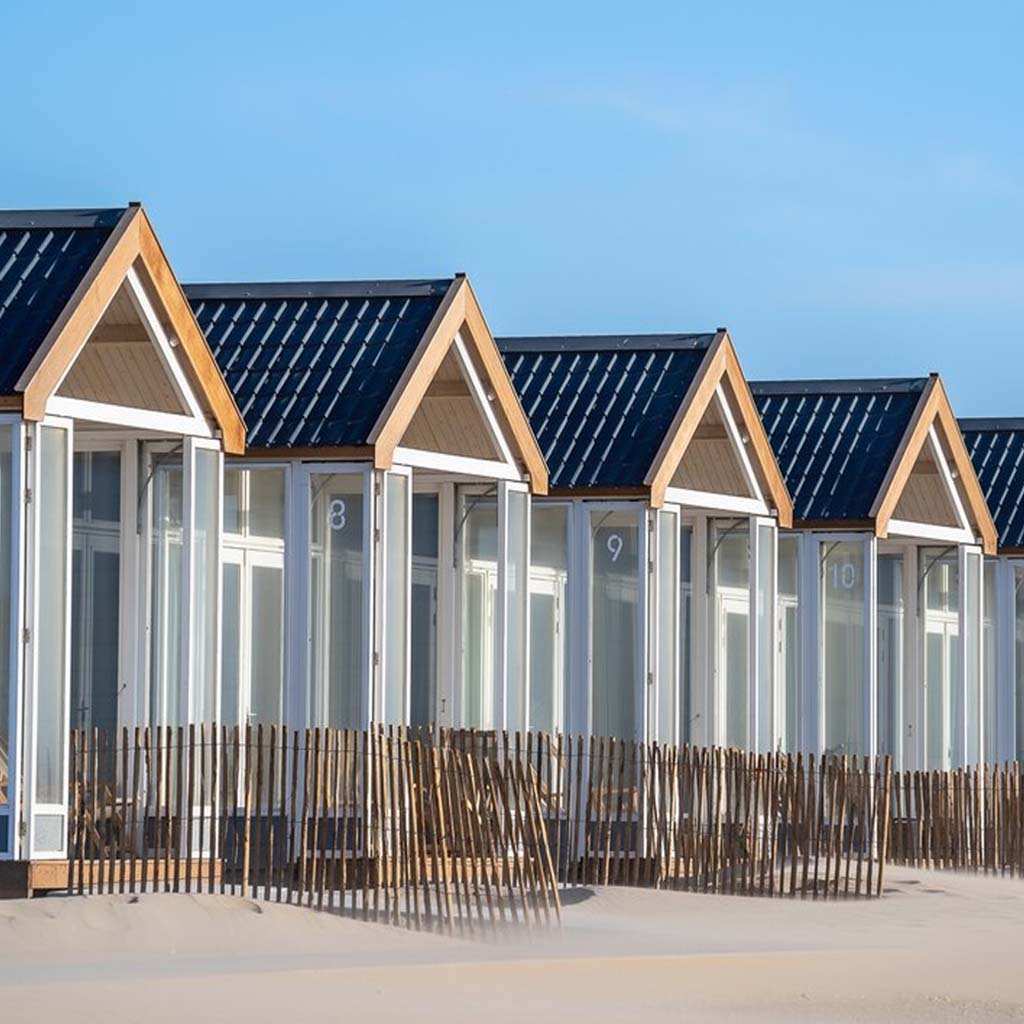
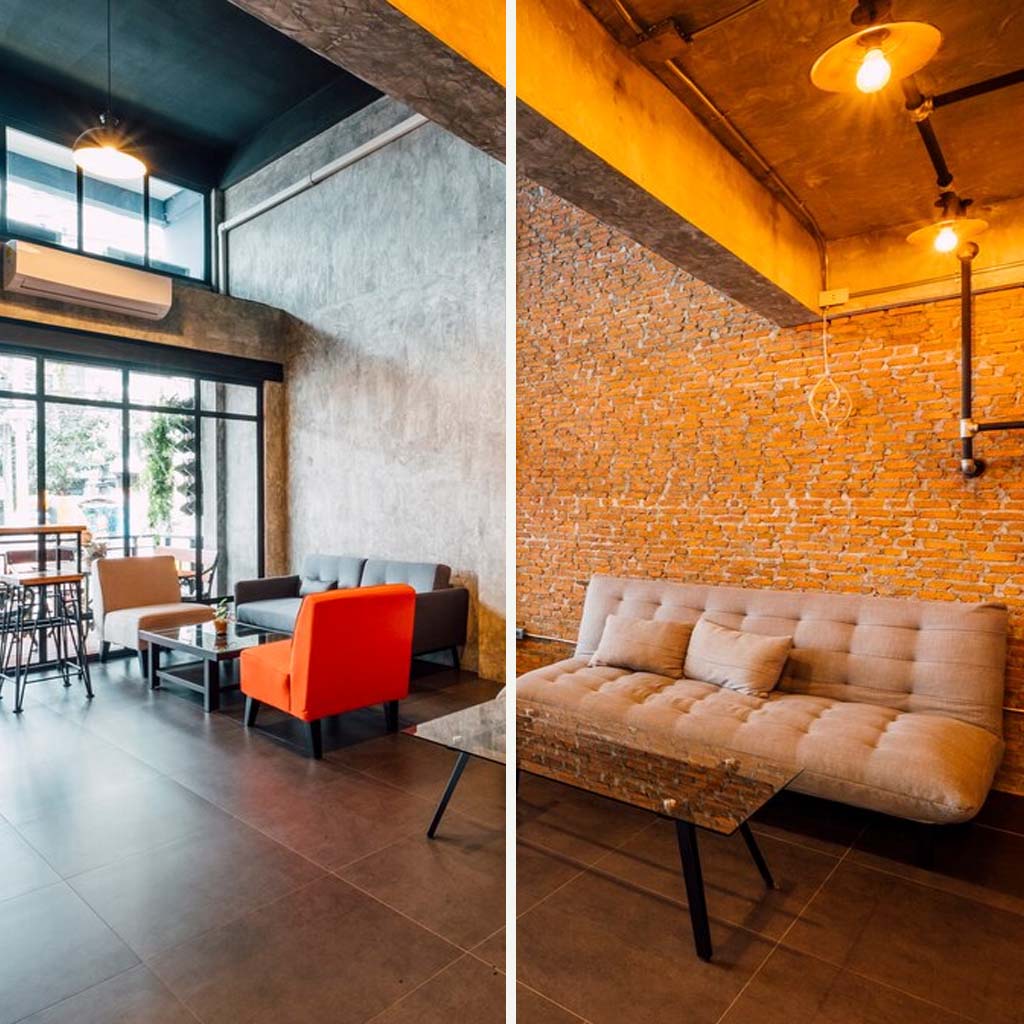
Small buildings show poor planning immediately. A bunkie where the door swings into a bed, there’s no overhead storage, or the only window faces a fence feels cramped even at a reasonable size. A well-planned one feels bigger than it is.
Window placement has an outsized effect on how a small space feels. Well-positioned windows that bring in morning light and a view of the water or yard make the difference between a space people want to be in and one that’s just tolerated.
Sleeping capacity needs to be figured out before the footprint is set. Sleeping four comfortably is a different layout than sleeping two. Bunk beds, loft beds, and fold-away options all affect ceiling height and how the rest of the space functions.
A covered deck or porch changes how the building gets used. It’s where people gather before coming inside, where coffee gets made in the morning. If the budget allows, it’s worth including from the start.
Bunkie and cabin builds typically involve an electrician and often a plumber. We coordinate those sub-trades as part of the project. On cottage properties, we deal with seasonal access, variable site conditions, and the approval processes that apply to near-water construction.
We’re upfront about what the project involves. If there’s a setback issue, a septic question, or a site access challenge, we raise it during planning — not after the permit is submitted or the framing has started.
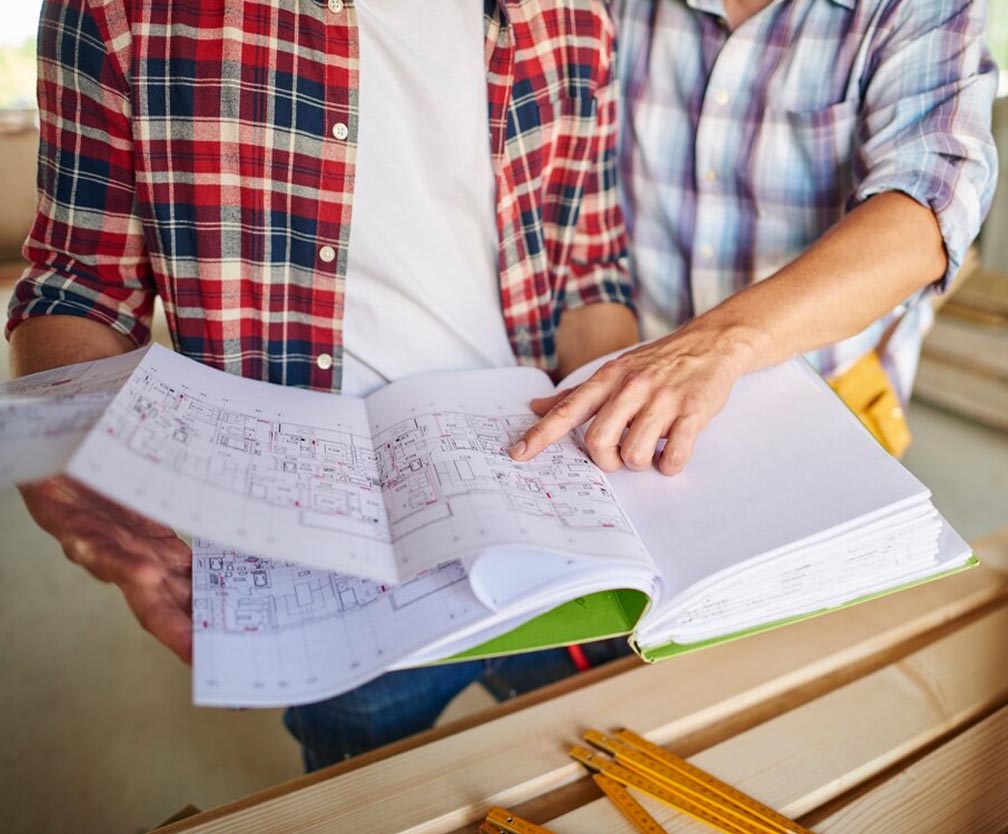
Get clear on the use before anything else. Seasonal or year-round? Sleeping only or with a bathroom? Those answers shape the foundation type, the mechanical scope, and the permit requirements. Resolving them early makes everything faster.
Bunkie and cabin permits vary in complexity. A simple seasonal structure on an established cottage lot is usually straightforward. A year-round cabin with plumbing on a waterfront property involves more review. Build permit lead time into the project timeline from the start.
Usually yes. Detached structures above a certain size require a building permit, and waterfront or near-water properties often involve additional approvals or setback reviews. Requirements depend on your municipality and proximity to water. We help you understand what applies before the design is finalized.
Cost varies based on size, foundation type, and scope. A basic seasonal bunkie and a fully insulated year-round cabin with plumbing are very different projects. We can give you a realistic range once we understand the size, site, and what the building needs to include.
Yes, but it requires planning. A bathroom means water supply, waste connection, and in most cases a septic assessment to confirm existing capacity can handle an additional structure. On rural and cottage properties where the existing septic is near capacity, adding a bathroom to a secondary building may require a septic upgrade — one of the first things to check.
If you’re planning a bunkie or guest cabin, the first conversation is about the property and the use — not contracts or materials. We’ll ask the questions that matter and give you a clear picture of what’s possible before anything gets committed.
Reach us by phone or email. We work with cottage owners and homeowners across the Kawarthas, Peterborough, Durham Region, and Simcoe County.
Our unique skills and experience ensure top quality results.
N.S. Custom Contracting Inc. — Your satisfaction is our priority