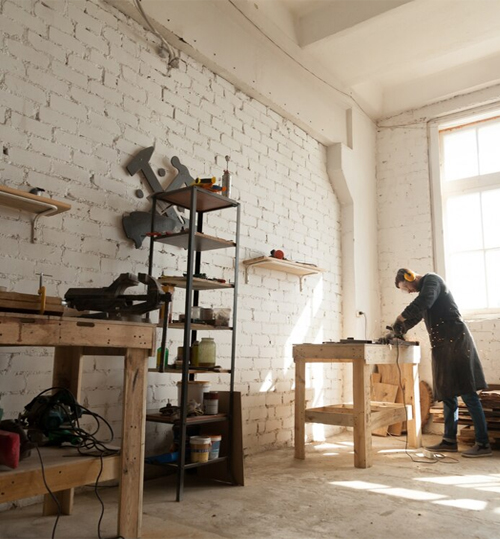
A General Contracting Company You Can Trust.
A General Contracting Company You Can Trust.
The garage works fine until it doesn’t. Once vehicles, storage, and work projects compete for the same space, nothing gets done comfortably. A dedicated workshop building gives the work somewhere to go and gives the garage back to what it was meant to hold.
We build workshop buildings for homeowners and tradespeople across the Kawarthas, Peterborough, Durham Region, and Simcoe County. Before talking dimensions or materials, we want to understand what kind of work you’re doing, what tools need to fit, and whether the space needs to run year-round or just through the warmer months.
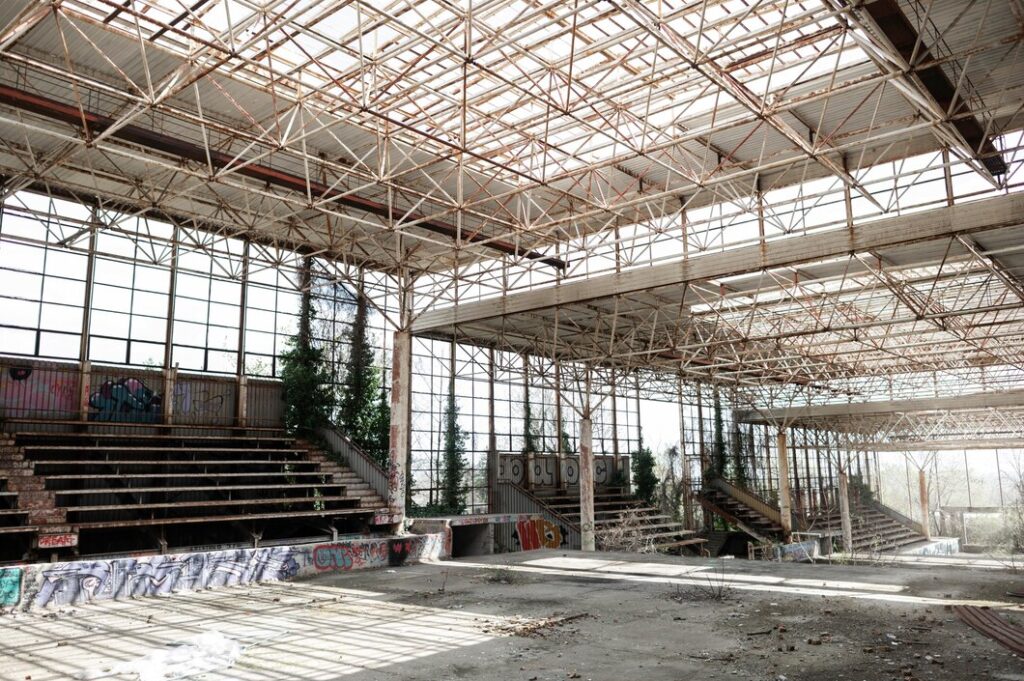
For tradespeople, a workshop at home means not paying for shop space elsewhere. A carpenter, welder, or mechanic doing prep work and side projects from home saves time and overhead every week.
For hobbyists, it’s about having room to actually work. Woodworking, metalworking, ceramics — these activities need space, specific tool clearances, and the freedom to leave projects in progress without packing them away. A workshop building makes that possible.
Some homeowners just want the separation. A dedicated workshop keeps the mess, the noise, and the smell of paint thinner outside and in its own building.
A flexible space for bench work, hand tools, light power tools, and material storage. Layout is open and electrical is planned for general use. Good for homeowners whose projects change over time.
Woodworking has specific requirements that shape the whole building. Ceiling height matters for sheet goods and tall machinery. Dust collection needs to be planned from the start — where the collector sits, where drops run to each tool station. Building a woodworking shop without thinking those things through from the beginning creates problems.
A mechanic bay needs overhead clearance for a lift or working under a vehicle on jack stands, a floor that handles fluids, proper ventilation, and a wide access door. A 10-foot overhead door is common. The floor is typically a sealed concrete slab, and a floor drain is worth including during the build.
Production or prep space — fabrication, contractor work, small-scale commercial use. These often need dedicated 240V circuits, strong overhead lighting, and a layout built around workflow. The electrical load planning goes deeper than a typical residential workshop.
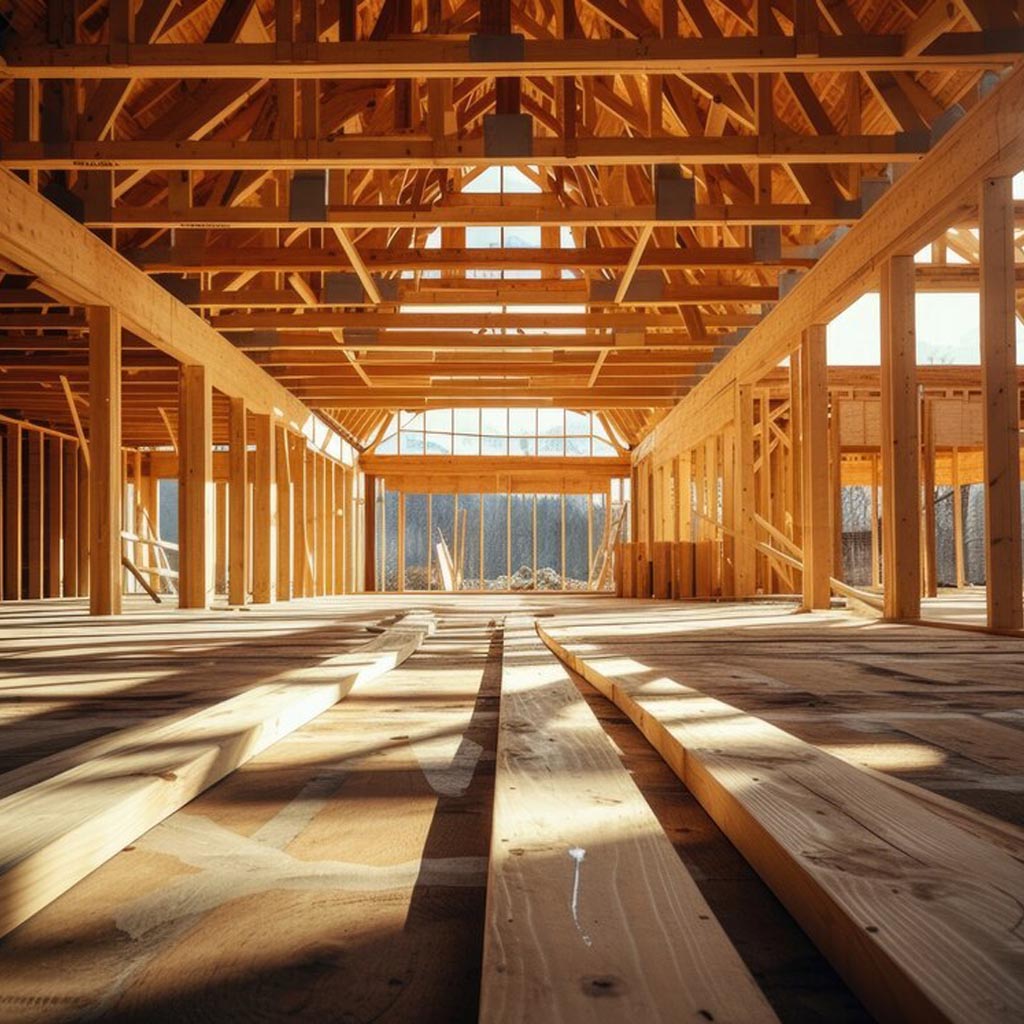
Access for materials is easy to overlook at the planning stage. If you’re regularly moving plywood, lumber, or steel stock, a workshop that requires carrying materials around a corner or across a soft lawn gets inconvenient fast. We look at the access route during planning, not just the building’s location.
Noise is a real consideration on residential properties. A shop set closer to the rear of the lot, oriented with the main door facing away from neighbours, is more considerate and avoids complaints. Placement decisions like that are easy to make at the planning stage.
Setbacks for a detached workshop follow the same rules as other residential accessory buildings — minimum distances from property lines, sometimes height restrictions, and in some municipalities, lot coverage limits. We review those constraints before anything gets drawn up.
Most workshop buildings require a building permit. The electrical work also requires a separate electrical permit and inspection.
On most residential lots with a reasonable rear or side yard, a workshop building is achievable. The questions are usually about placement, size, and power — not whether it’s possible.
Rural and semi-rural properties have more flexibility: fewer tight setbacks, more room for practical placement, and often an existing driveway that handles access. On smaller urban lots, it’s about working within the constraints realistically.
If you’re not sure your property can support a workshop building, that’s exactly what the first conversation is for.
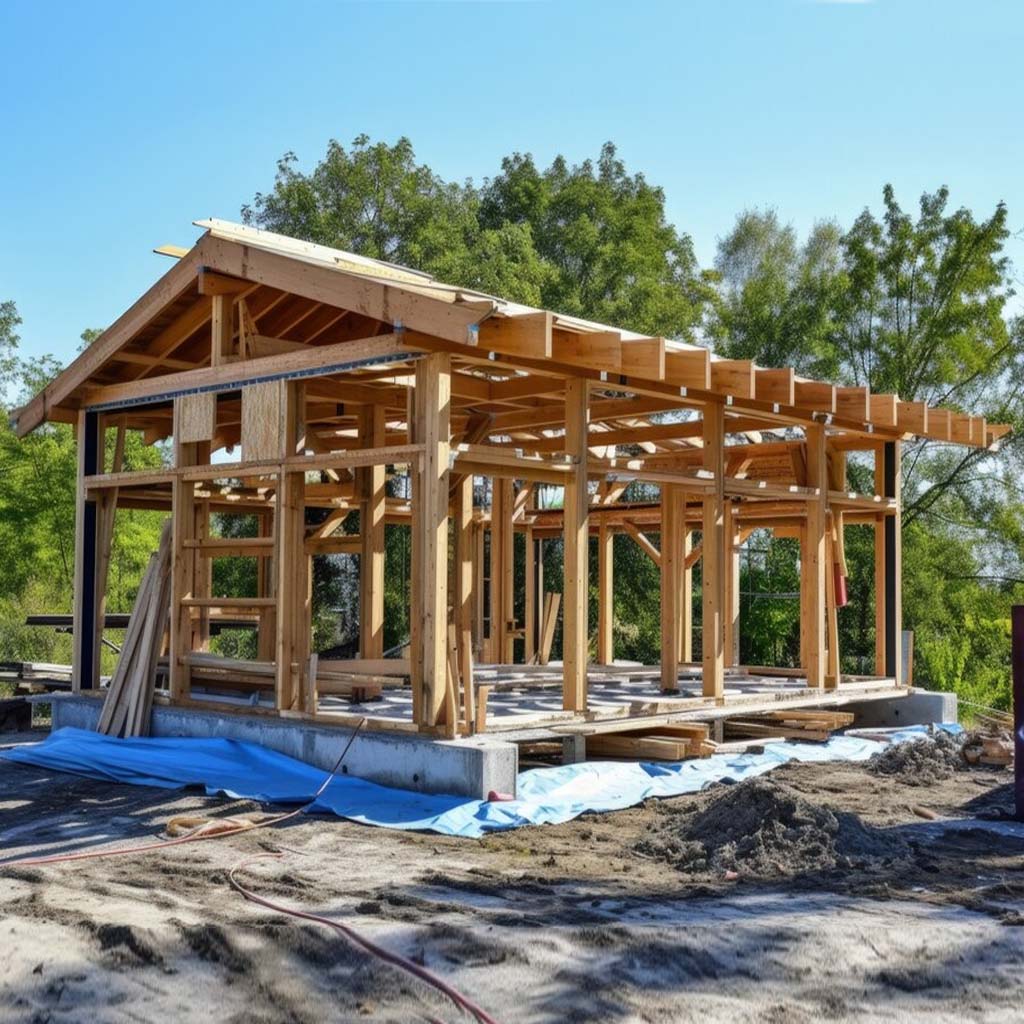
We build workshop buildings using stick-frame construction. Wood framing is adaptable — if the tool layout shifts while the build is in progress, wall placements can be adjusted, window openings can move, and door widths can be modified before the exterior closes in.
Wall height is one of the most important decisions in a workshop build. Standard 8-foot walls are limiting. A 10-foot wall changes the feel significantly — more natural light from higher windows, more clearance for tall tools and materials. Going to 12 feet makes sense for mechanic bays or any shop where overhead clearance is a functional requirement.
For year-round use, insulation is part of the original build — not a retrofit. Spray foam in the walls and ceiling, combined with a properly sealed slab, makes the building heatable without running the heating system constantly.
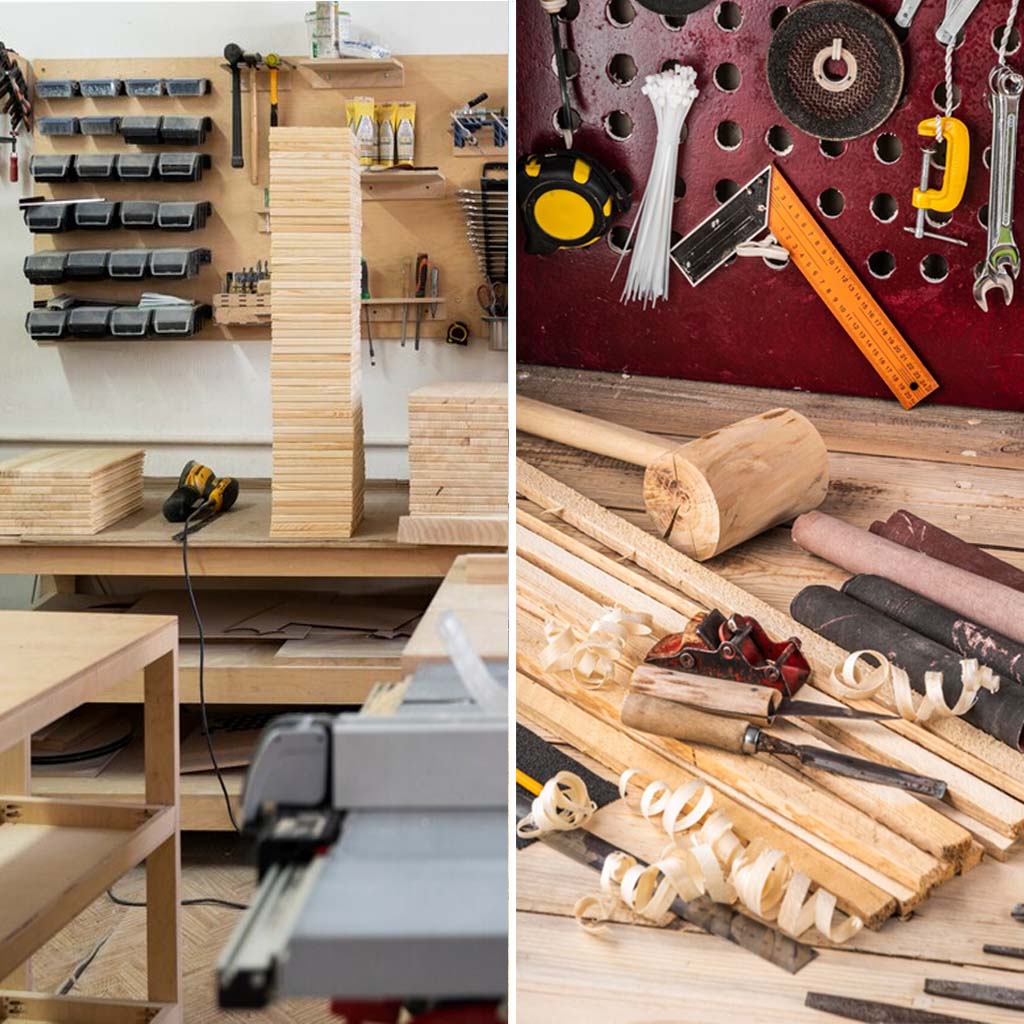
Outlet placement is where most workshop owners wish they’d planned more carefully. Standard residential outlet height isn’t enough for a real shop. Outlets at workbench height, on dedicated circuits, and at major tool positions make the difference between a shop that works and one that runs on extension cords.
Lighting needs to be bright and even. A single overhead fixture leaves corners dim and creates shadows where you’re trying to see what you’re cutting. A grid of LED shop lights planned into the framing costs almost nothing at build stage. Done after the fact, it’s a nuisance.
The largest thing you’ll regularly move through the door determines the door size you actually need. A 36-inch walk-through is fine for a tool-only hobby shop. A 7-foot double door or overhead door is necessary for most other uses. Spec the door for the worst-case scenario, not the average day.
If heating is in the plan, the type and mounting location affects framing. A gas unit heater hung from the rafters, a mini-split on a wall, or in-floor hydronic all have different structural and electrical implications. We discuss this before framing starts.
Workshop builds almost always involve an electrician and sometimes a concrete contractor for the slab. We schedule and coordinate those sub-trades so the work happens in the right sequence — slab before framing, rough-in before insulation, inspection before the walls close.
We’re straightforward about what we don’t know. If something about your property complicates the build, we’d rather say that early than discover it after framing starts.

The clearer your picture of how the shop will be used, the better the building turns out. Before the planning conversation, think through: what’s the largest thing you’ll regularly move through the door? How many 240V tools do you have or plan to have? Does the space need to be heated in winter?
Permits take time. Getting the application in early keeps the project on schedule. We can help identify what’s needed and what your municipality will want to see.
In most cases, yes. Any detached structure above a certain size in Ontario requires a building permit, and the electrical work inside will require a separate electrical permit. A purpose-built workshop generally won’t fall below the permit threshold. We help you understand what’s required for your municipality early in the process.
It depends on what you’re doing in it. A hobby shop for hand tools and a workbench can work at 12×16 feet. A woodworking shop with stationary tools needs closer to 20×24 to give each tool safe clearance. A mechanic bay needs to fit a vehicle plus working room — typically 24×30 feet minimum. We help you size the building based on what needs to fit inside.
Yes — but it needs to be planned from the start. Insulation, a properly sealed slab, and a sized heating system all need to be decided before construction. Adding those things to a building that wasn’t built with them in mind is possible but more disruptive and more expensive than doing it right the first time.
If you’re planning a workshop building, the next step is a conversation about what you build, how you work, and what your property can support. We’ll ask the practical questions and give you a realistic picture of what the project involves.
Reach us by phone or email. We work with homeowners and tradespeople across the Kawarthas, Peterborough, Durham Region, and Simcoe County.
Our unique skills and experience ensure top quality results.
N.S. Custom Contracting Inc. — Your satisfaction is our priority